
On this page you will find links to other resources related to our project, the UK Chalk Group, its stratigraphy and palaeontology. Check back for updates!
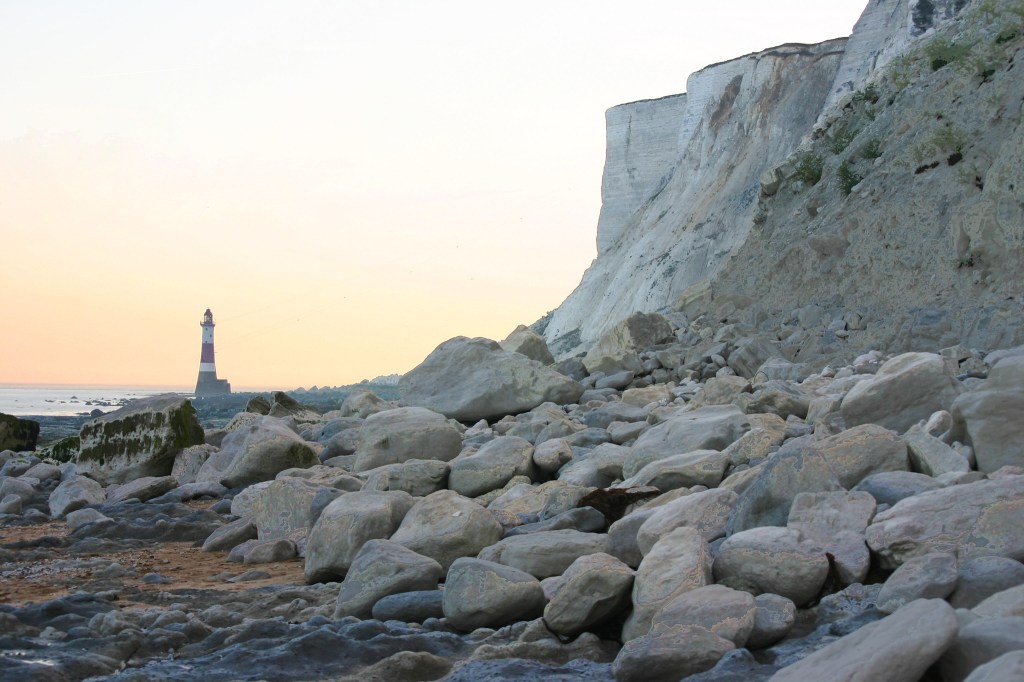
Palaeontology and palaeoenvironments of the Chalk
NHM Data portal: https://data.nhm.ac.uk/ The data portal is a searchable resource with information on all registered specimens within the NHMUK collections, including fossils from the chalk held by the museum. You can search for individual specimens using their registration numbers, or by entering taxonomic names into the search bar.
MIRACLE page on calcareous nannofossils (UCL): https://www.ucl.ac.uk/GeolSci/micropal/calcnanno.html These planktonic microorganisms are the main component of the chalk sediment, in some cases making up >90% of the rock volume.
Climate Archive: https://climatearchive.org/ What was the Earth’s climate like during the Late Cretaceous and how do we know? Developed by academics at the University of Bristol using the same kind of climate models used to predict the weather, explore how our planets climate has changed over time. Click on ‘Late Cretaceous’ to see what the world of the chalk looked like.
British Chalk Fossils: http://www.chalk.discoveringfossils.co.uk/ Developed by Robert Randall, this site contains information on many common chalk fossils, how to recognise them, and the biology of the animals that inhabited the UK chalk sea during the Late Cretaceous.
UK Chalk Group stratigraphy
BGS Earthwise Resource on the UK Chalk Group: https://earthwise.bgs.ac.uk/index.php/Category:Chalk_of_the_UK This ‘Wikipedia-style’ web resource is based on a British Geological Survey report on the development of the modern UK Chalk Group stratigraphy. It contains a huge amount of information summarising how the chalk is classified and divided up based on changes in rock type (lithostratigraphy) and palaeontology (biostratigraphy), and how these schemes have changed over time. It also has a list of key references.
British Upper Cretaceous Stratigraphy (Geological Conservation Review Series No. 23) 2001: https://jncc.gov.uk/resources/92fe7431-a450-46eb-86a8-f2de42904528 Geological Conservation Review (GCR) sites form the basis of statutory geological and geomorphological site conservation in Great Britain. In total, there are over 3,000 GCR sites, encompassing the range of geological and geomorphological features of Great Britain. This report summarises the sites for the Upper Cretaceous Chalk Group of the UK and provides detailed information on their location, access rights, stratigraphy and palaeontology.
Regional information
Sussex Geodiversity Partnership; Bibliography on the Upper Cretaceous Chalk: https://geodiversitysussex.org.uk/geodiversity/biblio.php?part=4 Bibliography for Local Geological Sites in the chalk of Sussex ranging from early 19th Century (e.g. Mantell 1822) to the latest 21st century publications.
Kent Downs National Landscape: https://kentdowns.org.uk/ Including information on many sites based in the Chalk of Kent.
Aspiring Cross-Channel UNESCO GeoPark: https://kentdowns.org.uk/geopark/
Geology of the Culand Pits (Kent): https://culandpits.org/ Information about the geology of these important localities in Kent, source of many beautiful chalk fossils in the NHMUK collections from the 19th and early 20th centuries.
Devons Rocks, Devon County Council: https://www.devon.gov.uk/geology/devons-rocks-a-geological-guide/ Information pages on the Geology of Devon.
The Yorkshire Chalk, Hull Geological Society: https://www.hullgeolsoc.co.uk/chalkindex.htm Series of pages on the stratigraphy of the northern chalk, key localities, and accounts of meetings of the Hull Geological Society and Yorkshire Geological Society focused on the chalk.
Geologists Association, local groups: https://geologistsassociation.org.uk/affiliated-local-groups/ If you are interested in learning more about the chalk, the GA and its affiliated local societies can be a great place to start. Find a group near you here.
 ChaSE
ChaSE 