
PROF. RICHARD TWITCHETT ChaSE Principal Investigator
I am interested in understanding how marine ecosystems responded to major biological and environmental changes of the past, particularly those associated with global warming and the mass extinction episodes of the Phanerozoic.
Trained in geology, biology and palaeoenvironmental analysis, my primary expertise is in palaeoecology and ichnology, but my work is multidisciplinary with a strong focus on the analysis of fossil specimens in the field and from museum collections.
Learn more about Prof. Twitchetts’s research here.
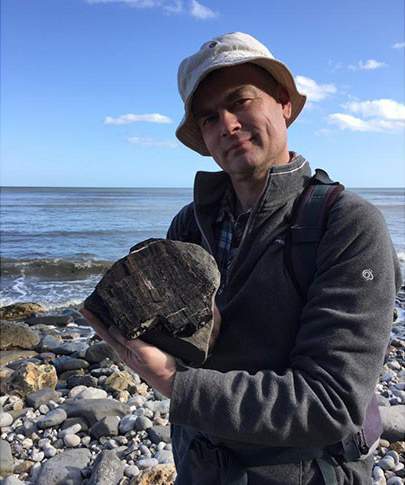
PROF. PAUL BOWN
ChaSE Principal Investigator
I am a palaeontologist at University College London and my research investigates the links between ocean ecosystems and climate change using microfossils.
These fossils tell us how ocean plankton, at the base of the marine food chain, have responded to climate cooling and warming through the last 200 million years. The microfossils I focus on are the smallest and most abundant fossil group, the coccolithophores (also known as calcareous nannofossils or nannoplankton), and I have studied many aspects of their evolution, diversity, and community structure through time.
We have discovered that these plankton are remarkably resilient to past environmental change but that there is scaling between the magnitude of warming and their community response during ancient warming events (hyperthermals). Some of these plankton species can switch the way they gain their energy (feeding or photosynthesising), allowing them to survive catastrophic environmental changes, such as the asteroid impact event that caused the extinction of dinosaurs at the end of the Cretaceous.
Coccolithophores were major players in the Cretaceous Chalk Seas, contributing much of the carbonate that makes up the chalk rocks and I look forward to finding out more about their place in these ecosystems and how they coped with the significant warming and cooling episodes that occurred during this chapter of earth history.
Learn more about Prof. Bown’s research here.
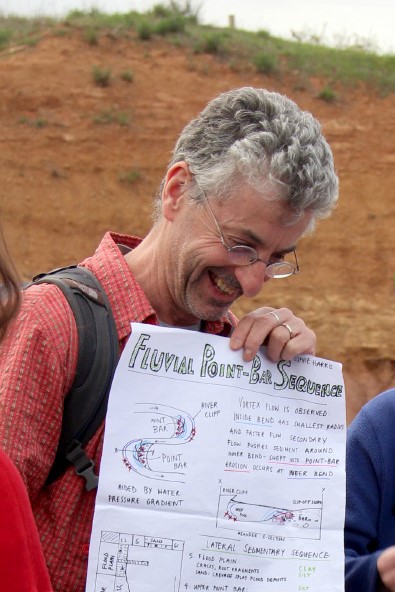
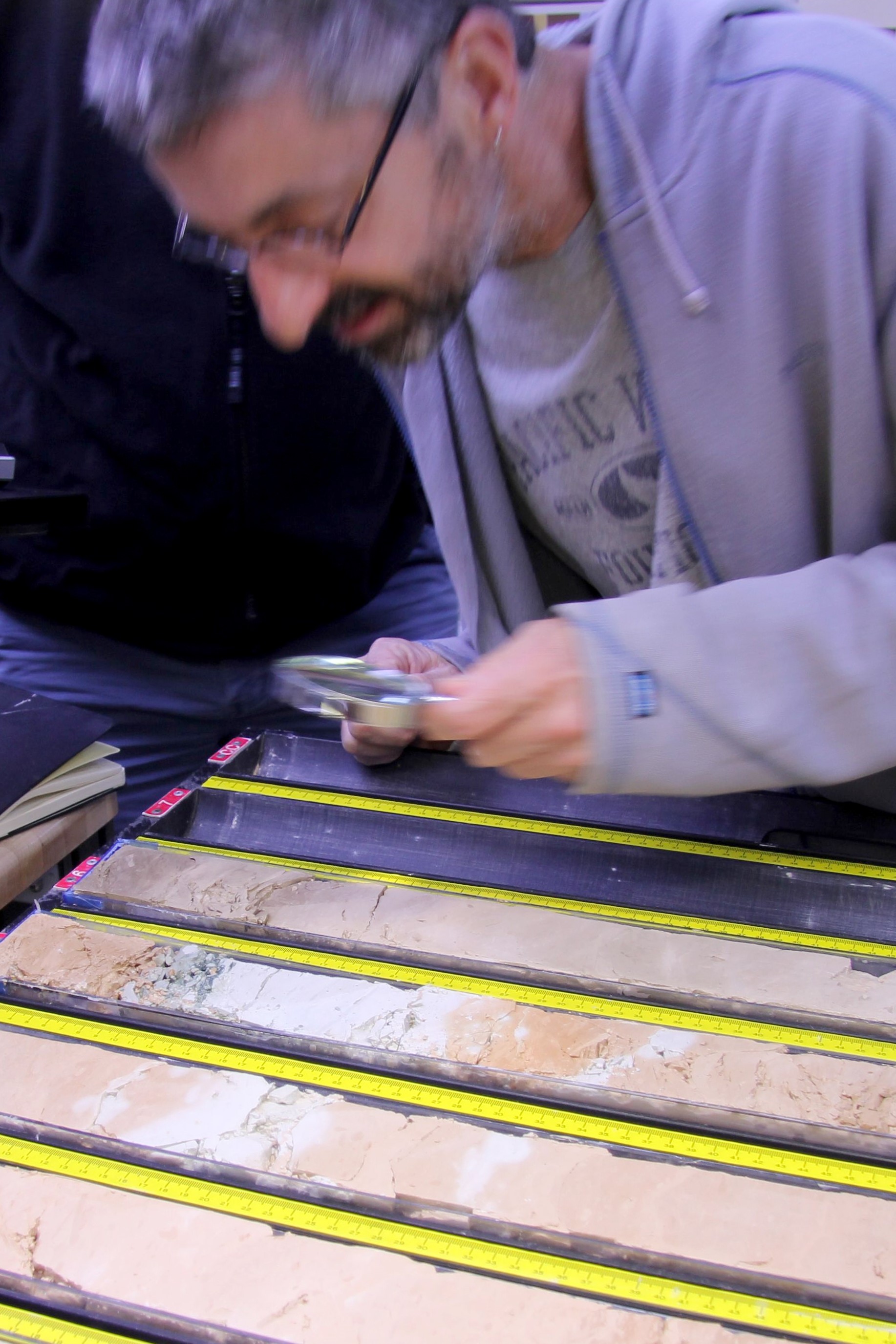
DR. JAMES WITTS
NERC Postdoctoral Fellow in Palaeoecology
I trained as a geologist with an MEarthSci degree from the University of Manchester (2009), completing a PhD on the Cretaceous-Paleogene (K-Pg) mass extinction event in Antarctica with the University of Leeds and British Antarctic Survey in 2016.
I then hopped ‘across the pond’ for a Lerner-Gray Postdoctoral Research Fellowship at the American Museum of Natural History in New York (2016-2018) and a postdoctoral position at the University of New Mexico in Albuquerque (2018-2020), studying Cretaceous and Paleogene macrofossils and ecosystems in the US Gulf Coast and Western Interior.
After a stint as Lecturer in Palaeontology at the University of Bristol (2021-2023), I moved to the NHM as a NERC Postdoctoral Fellow in Palaeoecology on the ChaSE project in September 2023.
Outside of work I am a keen motorsports fan and occasional ‘ferroequinologist’!
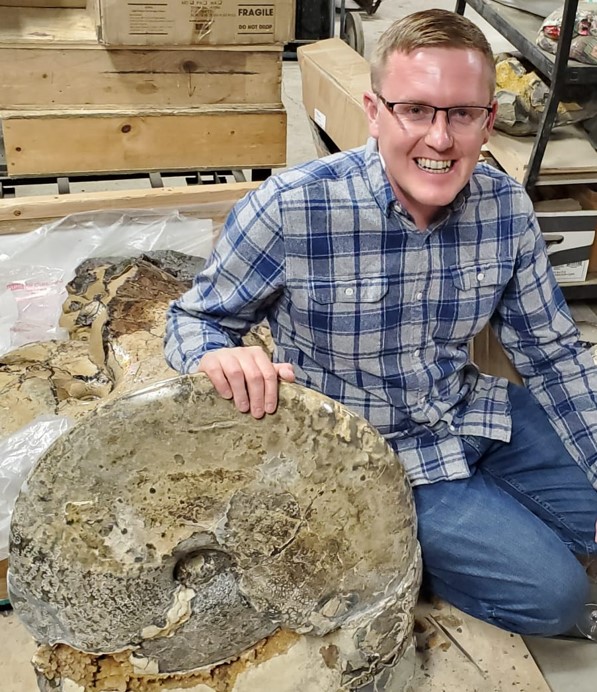
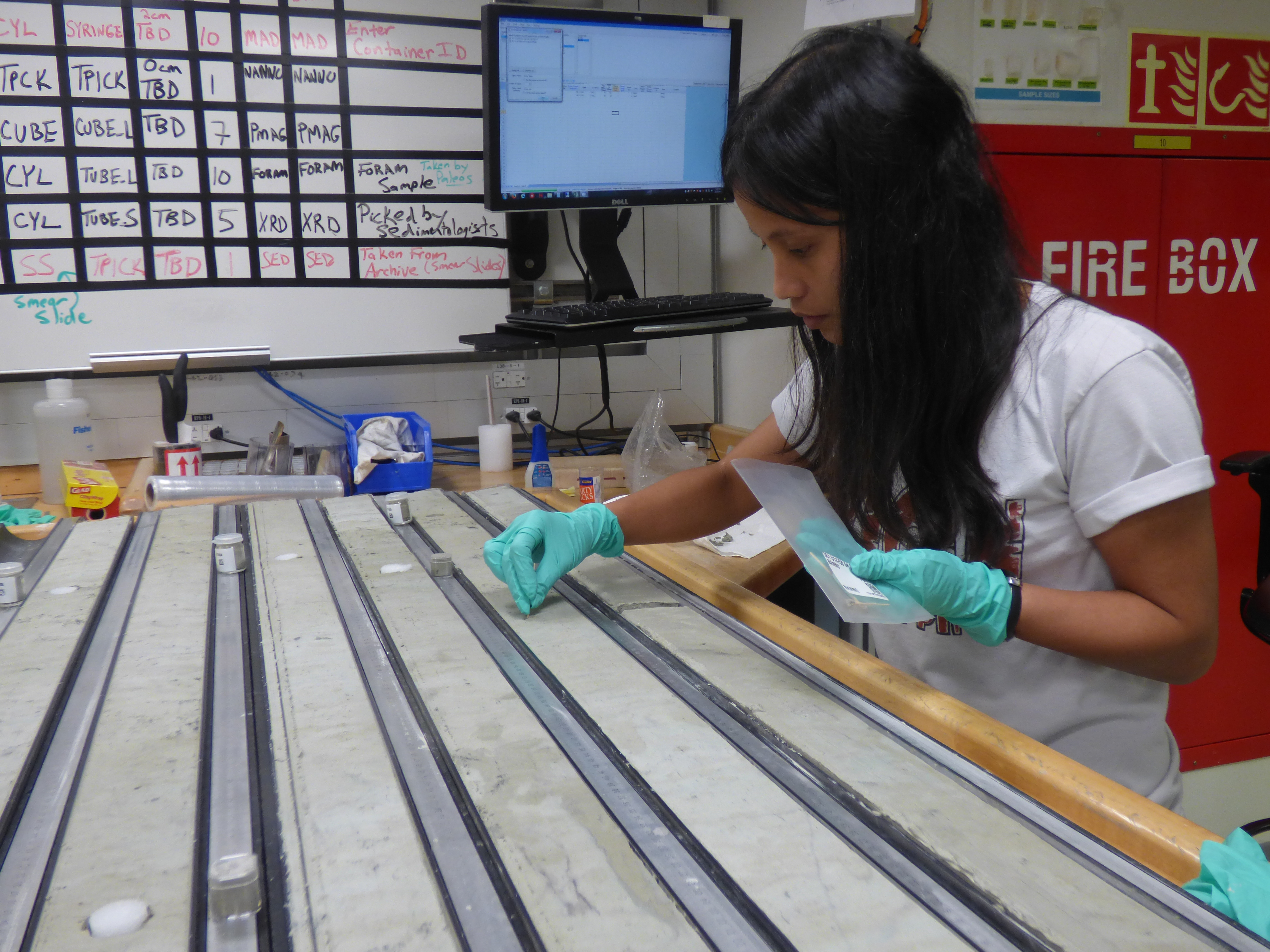
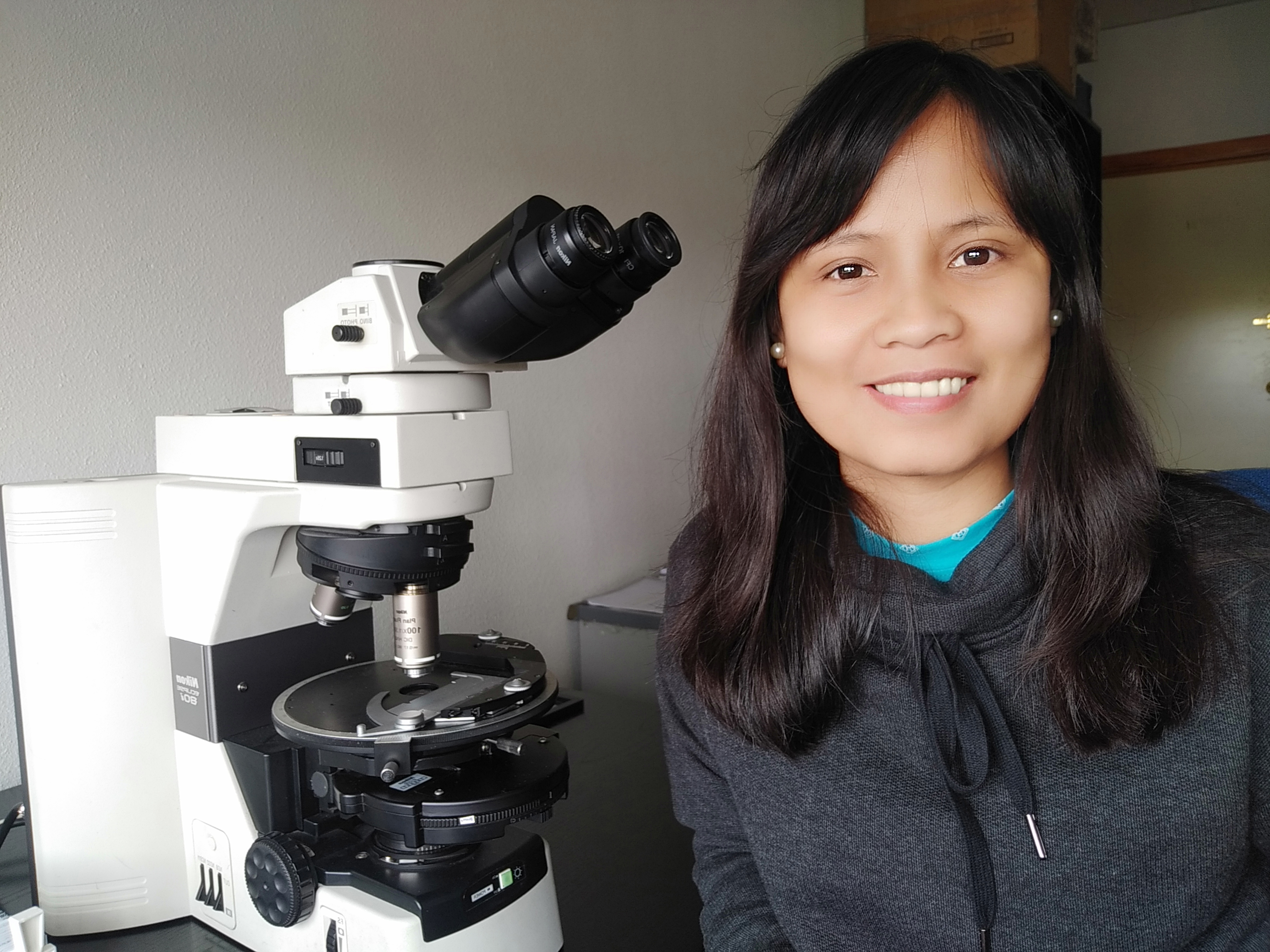
DR. DEBORAH TANGUNAN
Research Fellow in Micropalaeontology
My research interests span across relevant topics in palaeoclimatology and paleoceanography, specifically in the study of both modern and fossil marine calcifiers.
My research focuses on tackling three grand challenges in the realms of ocean, environment, and climate sciences: 1) how has climate changed in the past?, 2) how can calcifying marine organisms improve our understanding of climate-biosphere interactions?, and 3) how does climate change impact the marine environment and ecosystems?
To address this, I use traditional and cutting-edge biological (assemblage, biostratigraphy, evolution), physical (morphometry), and geochemical measurements (trace elements, isotopes) in marine carbonates to reconstruct past changes in climate and carbon cycle. I am also working toward integrating the paleo-datasets into proxy-model intercomparison framework, testing the record with pre-existing model climate data to determine potential oceanographic and climate controls.
Outside of research, I enjoy digital drawing, flow arts, and music.
Learn more about Dr. Tangunan’s research here.
DR. CHARLES UNDERWOOD ChaSE Project Partner
I grew up on the Dorset coast surrounded by fossils and was fascinated by them from an early age.
After a degree in Geology at the University of Exeter, and a PhD on fossil preservation at the University of Bristol, I went to the University of Liverpool where I started exploring the Cretaceous rocks of Yorkshire for fossil sharks, and realised how poorly known these were.
Moving to Birkbeck College, London, where I have been based for over 20 years, I expanded my research into sharks and their relatives to include both modern and fossil sharks. I have continued to study sharks of the Mesozoic, both in the UK and abroad, as well as their palaeoecology and palaeoenvironments, alongside wider ranging research on the evolution and development of teeth in sharks.
Learn more about Dr. Underwood’s research here.
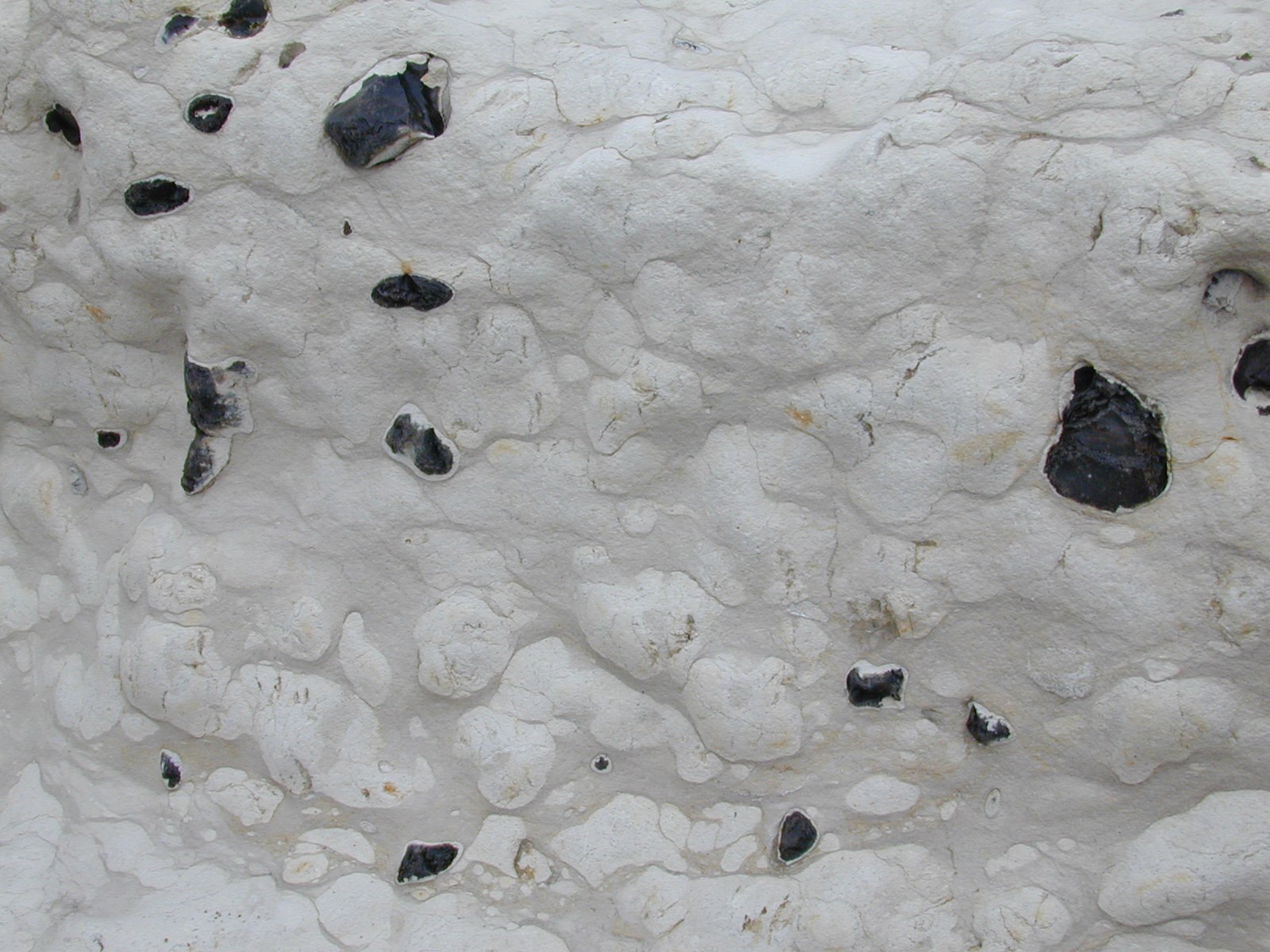
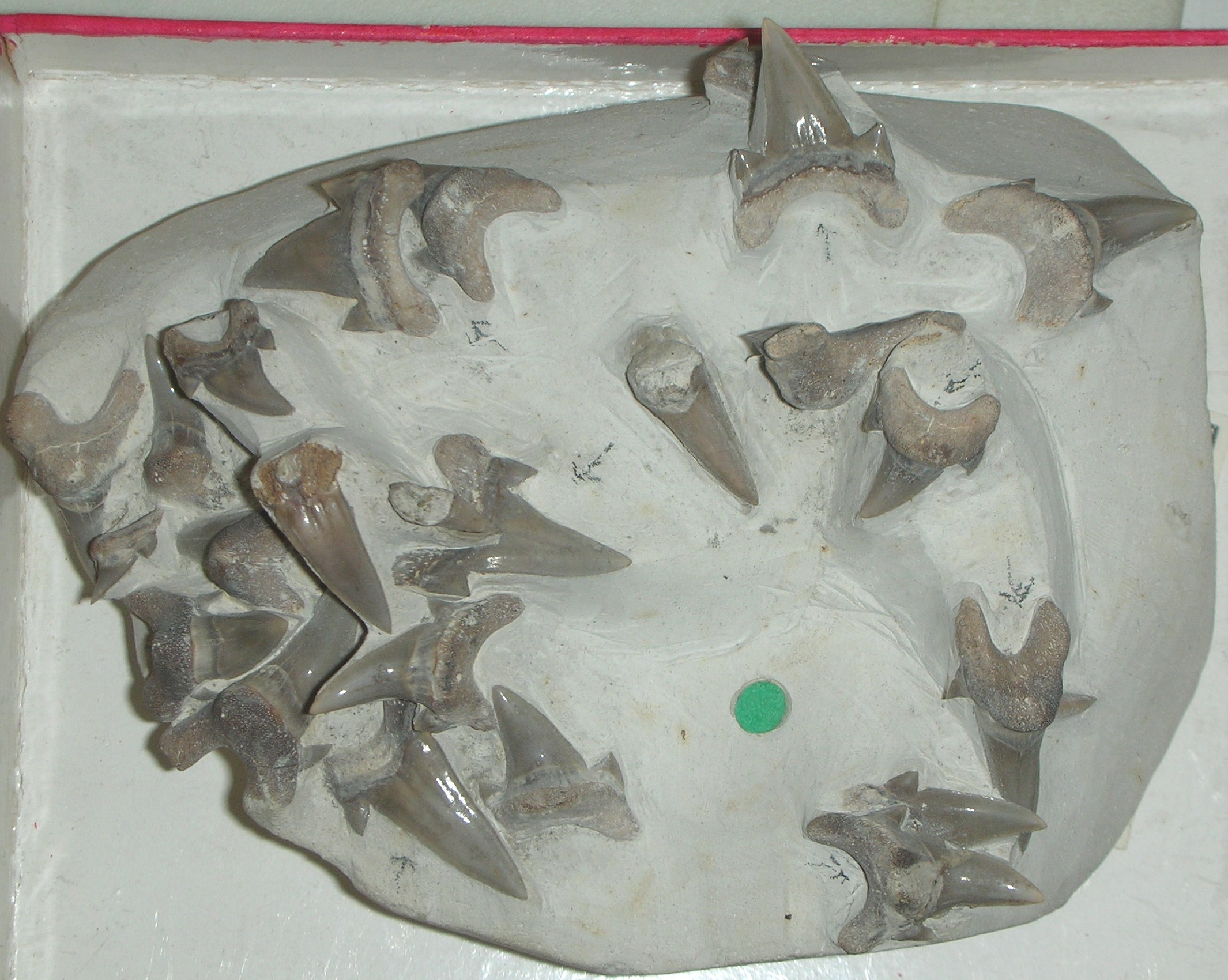
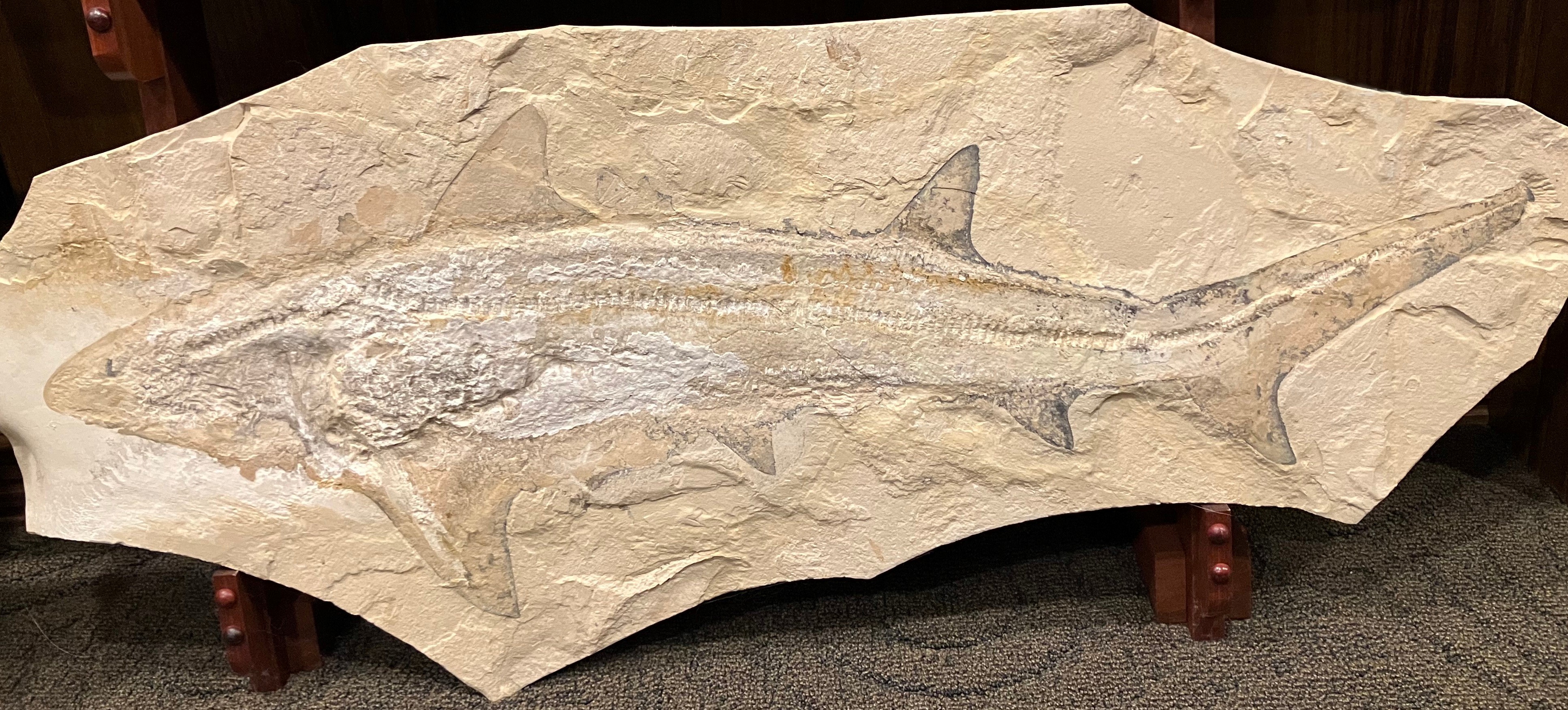
PHOTOS: Top right – Nodular and flinty Chalk, Lulworth. Bottom right – Associated dentition of a large shark from the Cenomanian of southern England, NHM specimen. Bottom – A small Carcharias-like species (lamniform shark) from the Cenomanian of Lebanon, Lauer Collection.
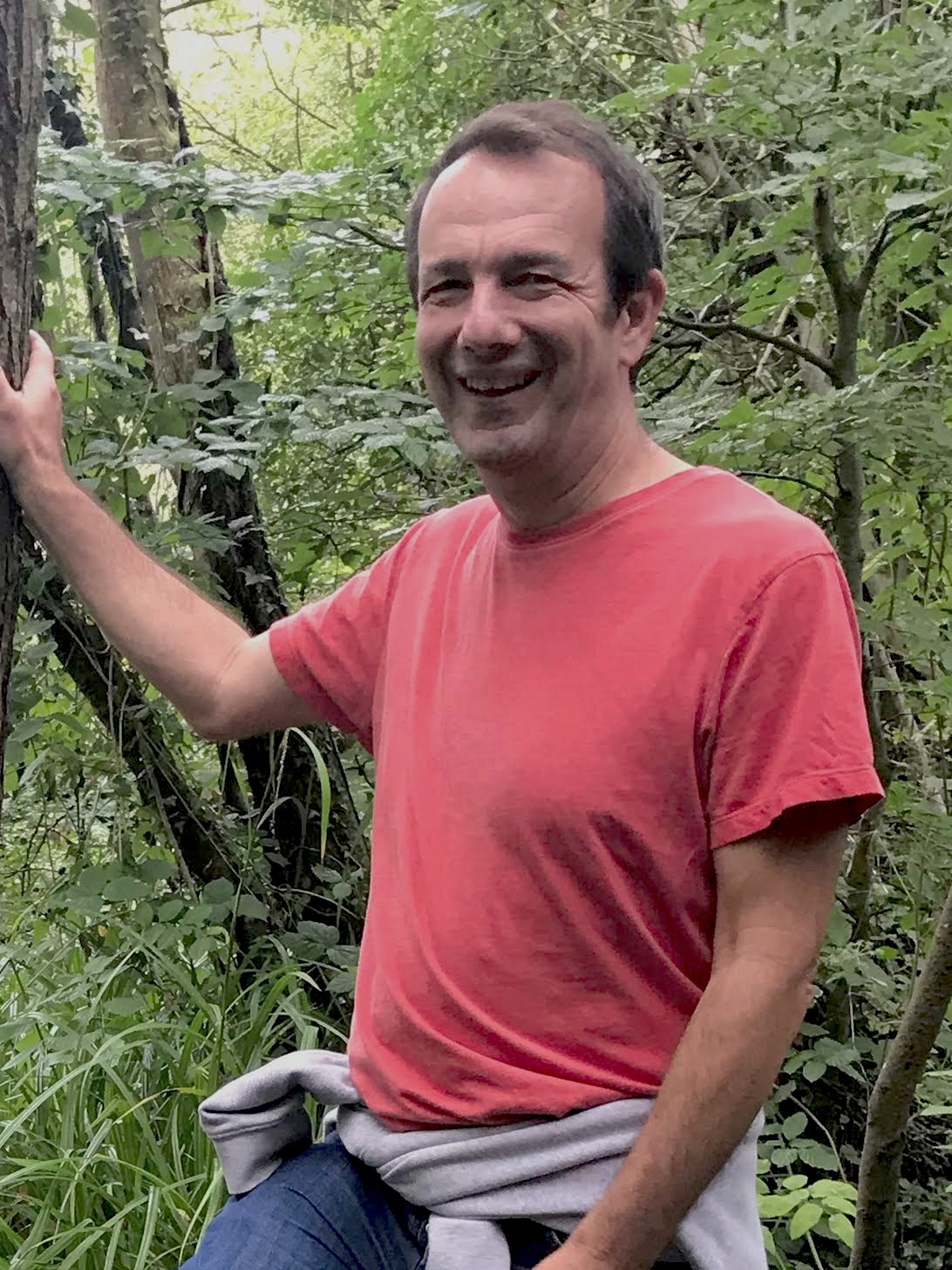
DR. LIAM GALLAGHER ChaSE Project Partner

PROF. ANDY GALE ChaSE Project Partner
 ChaSE
ChaSE 